

Platform: PC | Developer: Ilsanjo | Playtime: 6–9 hours | Genre: First-Person Narrative Exploration / Walking Simulator
While most adventure games center on heroic glory, epic battles, and saving the world, The Wild Eternal takes a radically different, introspective route. It tells the story of Ananta, an elderly weary soul tired of endless reincarnation and worldly suffering. Free of combat, rush, and traditional game tropes, this atmospheric wilderness exploration title is less a form of entertainment and more an immersive spiritual meditation—a poetic journey about trauma, obsession, and ultimate liberation from cyclic pain.

Story: A Quiet Rebellion Against Eternal Reincarnation
Set in the early 17th century, the game follows Ananta, who has endured countless lifetimes of hardship and sorrow. Completely exhausted by the endless cycle of birth, death, and suffering, she flees into the remote Himalayan wilderness, seeking not victory or revenge, but eternal rest and freedom from karmic reincarnation.
Her desperate resistance against fate traps her in a mist-shrouded, otherworldly wilderness—lush, beautiful, yet utterly desolate and spiritually oppressive. It is here that she encounters a cunning, mysterious fox deity, a half-god bound by unfulfilled vows and hidden regrets.
The fox spirit offers Ananta a way to break her reincarnation curse, but only if she aids him in finishing his unfinished business. What follows is a slow, meandering pilgrimage across ancient ruins, foggy valleys, and forgotten sacred grounds. Through fragmented environmental lore, altar inscriptions, and evolving dialogue with the fox deity, players gradually uncover the intertwined tragic pasts of both protagonists.
There are no dramatic plot twists, high-stakes conflicts, or cinematic spectacles in The Wild Eternal. Its narrative power lies in subtlety and melancholy. Every conversation, every broken relic, and every hidden memory piece builds a quiet portrait of grief and healing. This journey for “liberation” is ultimately a journey of self-confrontation and letting go of lifelong trauma.
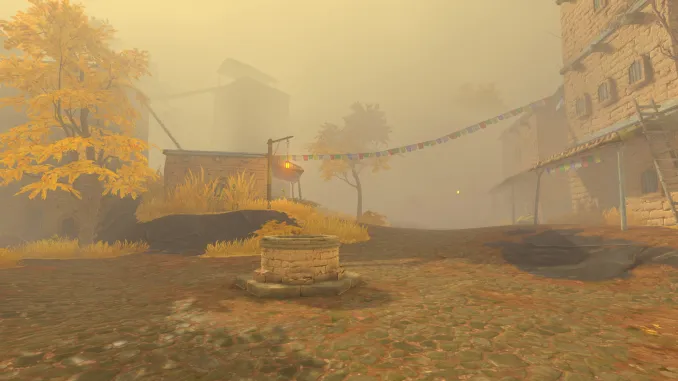
Gameplay: Combat-Free Exploration, Slow-Paced and Intentional
Breaking away from conventional adventure game design, The Wild Eternal features zero combat mechanics. Players possess no weapons, no defensive skills, and no way to defeat the wild beasts roaming the wilderness. Facing predators, the only options are to sneak, evade, or flee—getting caught results in a respawn, reinforcing the game’s tense, vulnerable atmosphere.
The core gameplay loop is simple, focused, and deeply atmospheric:
- Wilderness Exploration: Traverse vibrant, fog-blanketed open zones to collect offerings and sacred tears, the key resources required to unlock new areas and progress the story.
- Shrine Blessing System: Locate hidden shrines scattered across the map and present offerings to gain passive abilities, including enhanced jumping height and the power to perceive invisible paths, granting access to previously unreachable regions.
- Memory Collection: Investigate ancient ruins to piece together fragmented memories, gradually unveiling the buried secrets of Ananta and the fox deity, and pushing the narrative forward.
The game’s design embraces slowness as a core feature rather than a flaw. It refuses to hand players precise waypoints or rigid guidance. The pervasive fog, winding terrain, and lack of clear markers often lead to aimless wandering and repeated detours. This intentional ambiguity is not poor design—it is a deliberate choice to make players feel truly lost within an ethereal, unforgiving wilderness, mirroring Ananta’s disoriented, trapped state of mind.
Art, Atmosphere and Sound: Poetic, Ethereal and Immersive
The Wild Eternal excels most in its unparalleled atmospheric design. The hand-crafted wilderness features rich, saturated foliage, layered mountain landscapes, and rolling mist that shifts gently with every step. The visual style blends dreamlike beauty with subtle desolation, crafting a surreal, otherworldly tone that perfectly matches its spiritual and melancholic story.
The sound design elevates the experience further. Soft ambient wind, distant animal calls, and faint echoing whispers fill the open world. The minimalist, serene original soundtrack swells quietly during key story moments, amplifying the game’s sorrowful, meditative mood without overwhelming the player. Every step, every rustle of leaves, and every distant echo reinforces the sense of profound solitude and ancient mystery.
Flaws and Limitations
For all its artistic merit, the game’s niche design will not suit every player. The most prominent drawback is its excessively vague navigation. The heavy fog, identical environmental landmarks, and absence of effective guidance often turn exploration into tedious aimless wandering rather than meaningful discovery. Players seeking streamlined progression will likely grow frustrated.
Additionally, the gameplay lacks diversity. With no combat, puzzles, or dynamic events, the entire experience relies solely on walking, collecting items, and reading lore. The repetitive loop may feel monotonous for players who prefer dynamic, mechanically rich games. Its slow, contemplative pacing is an acquired taste that demands patience and immersion.

Final Verdict: A Unique Spiritual Fable for Patient Explorers
The Wild Eternal is not a game for everyone. It offers no thrilling action, no challenging gameplay, and no instant gratification. Instead, it delivers a tender, haunting fable about suffering, karma, and letting go. It turns quiet wilderness wandering into a metaphor for spiritual redemption, making every lost step and every quiet revelation feel deeply personal.
If you enjoy atmospheric walking simulators, narrative-driven experiential games, and slow-burn stories focused on trauma and healing, The Wild Eternal is a hidden gem worth exploring. It is a brief, ethereal journey that lingers in your thoughts long after the credits roll—a beautiful meditation on what it means to break free from the cycles that bind us.
Score: 8/10 A poetic, atmospheric spiritual journey—imperfect yet unforgettable.