ZRoll is a low-budget indie precision platformer built around one simple goal: test your patience and reflexes through relentless, trap-filled levels. Marketed as a casual yet challenging rolling-and-jumping experience, it offers dozens of handcrafted stages, collectible totems, and a full list of Steam achievements. While it delivers satisfying tight-platforming thrills for genre fans, a host of technical and design shortcomings hold it back from being a polished, recommendable indie gem.
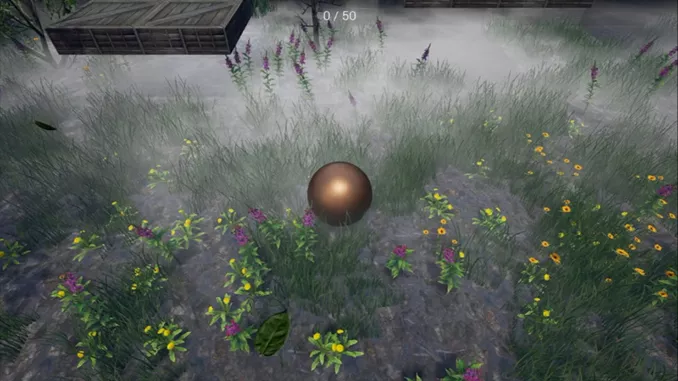
Gameplay: Simple Concept, Punishing Difficulty
The core loop of ZRoll is straightforward and easy to grasp. Players control a rolling ball across complex platforming stages filled with moving obstacles, sharp traps, shifting mechanisms, and precarious ledges. The main objective for each level is to navigate safely to the endpoint while collecting ancient totems hidden across the map, which unlocks achievements and completes level progression.
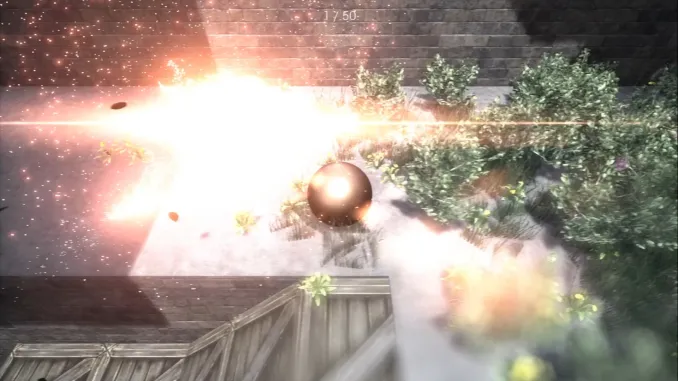
Unlike modern forgiving platformers, ZRoll adopts old-school punishing design. A single misstep, tiny miscalculation in movement, or slight collision with traps results in an instant respawn. The difficulty curve ramps up quickly: early levels serve as basic tutorials, while later stages stack fast-moving obstacles, narrow platforms, and synchronized mechanical traps that demand pixel-perfect precision.
For hardcore platformer enthusiasts, this brutal difficulty can be surprisingly addictive. Every successful level completion feels earned, and the achievement system provides clear replay incentive for completionists. The rolling physics are responsive overall, with tight momentum control that rewards consistent practice and muscle memory.
Level Design and Content Quantity
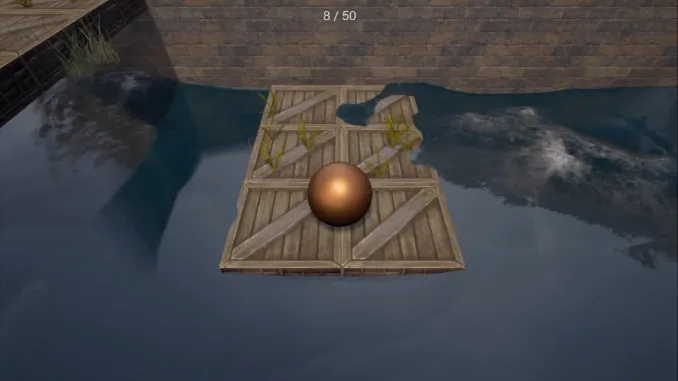
ZRoll packs a solid number of levels for a low-cost indie title, with diverse environmental layouts and mechanical puzzles that prevent complete monotony. Stages vary from static obstacle courses to dynamic levels with moving platforms, rotating barriers, and timed trigger mechanisms, adding mild variety to the core gameplay.
That said, the level design lacks creativity in the long run. Most stages rely on increased difficulty and trap density rather than innovative puzzle or platforming ideas. After extended playtime, the repetitive visual style and similar obstacle patterns make progression feel tedious. There are no boss fights, unique environmental twists, or narrative segments to break up the constant trial-and-error gameplay.
Visuals, Audio and Technical Issues
Visually, ZRoll adopts a minimalist, functional indie art style with clean stage geometry and simple color grading. It is visually clear enough to distinguish platforms and traps at a glance, but there is no artistic flair or atmospheric detail. Textures are basic, environmental variety is limited, and the overall presentation feels dated for a 2017 release.
The game’s biggest flaw lies in its poor audio design. Countless player reviews criticize the repetitive, low-quality background music and rigid sound effects. Worse, certain audio tracks cannot be fully muted or adjusted in settings, leading to persistent, grating noise during long play sessions. This audio oversight significantly harms the overall player experience.
While the game runs smoothly on most PCs with no major frame drops or game-breaking bugs, minor inconsistencies in collision detection occasionally cause unfair deaths. These small technical flaws, combined with unpolished audio, create a noticeably rough, unrefined package.
What Works and What Doesn’t
Pros
- Tight, responsive rolling physics that reward precise player control
- Challenging trial-and-error platforming ideal for hardcore genre fans
- Plenty of levels and comprehensive Steam achievement support
- Low price point, offering decent value for casual challenge seekers
Cons
- Repetitive level design with little creative variety across the campaign
- Intrusive, low-quality audio with limited sound setting options
- Unforgiving difficulty that may alienate casual players
- Dated visuals and minimal atmospheric or stylistic polish
- Minor collision inconsistencies leading to unfair respawns
Final Verdict
ZRoll is a pure, no-frills precision platformer that succeeds at delivering tough, skill-based challenges but fails to refine its overall presentation. It is a textbook example of a niche indie title: mechanically functional and occasionally satisfying, yet held back by repetitive design, unpolished audio, and outdated aesthetics.
If you are a fan of tough, old-school trial-and-error platformers and prioritize gameplay challenge over visual or audio quality, ZRoll offers decent budget entertainment. However, casual players or those seeking polished, varied experiences will likely find its roughness and repetition frustrating.