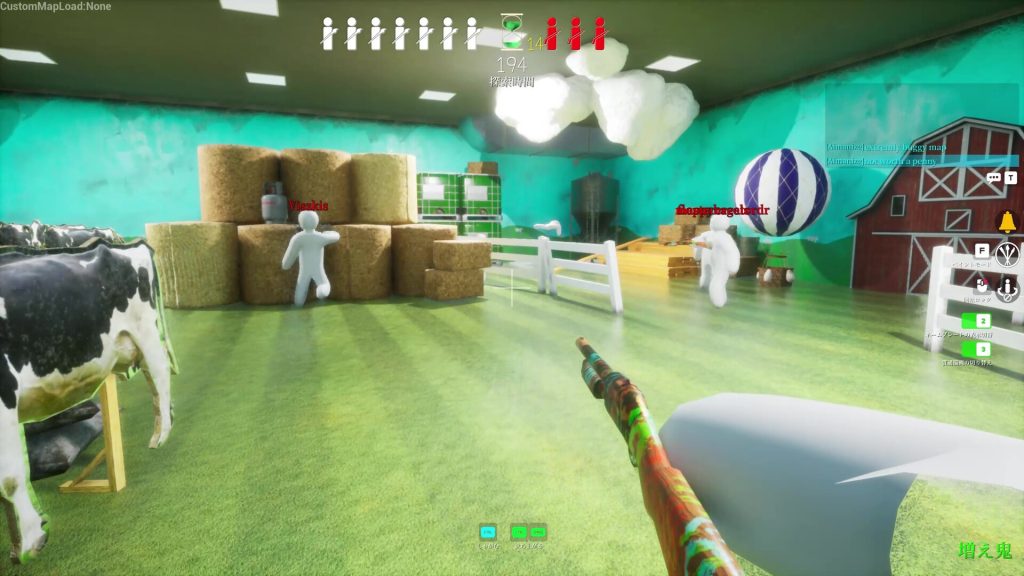

In 2026, the gaming world was shocked by a low-budget, quirky-looking "tiny game" that came out of nowhere. Meccha Chameleon, developed by a two-person team in just two months, surpassed 15 million sales within 26 days of launch and has now broken the 20 million mark. It is currently the fastest-growing game of 2026 in terms of sales volume. Without AAA graphics or a complex storyline, how did this title manage to captivate players across the globe?
It’s All About “Friendship Ruin”: Social Chaos at Its Finest
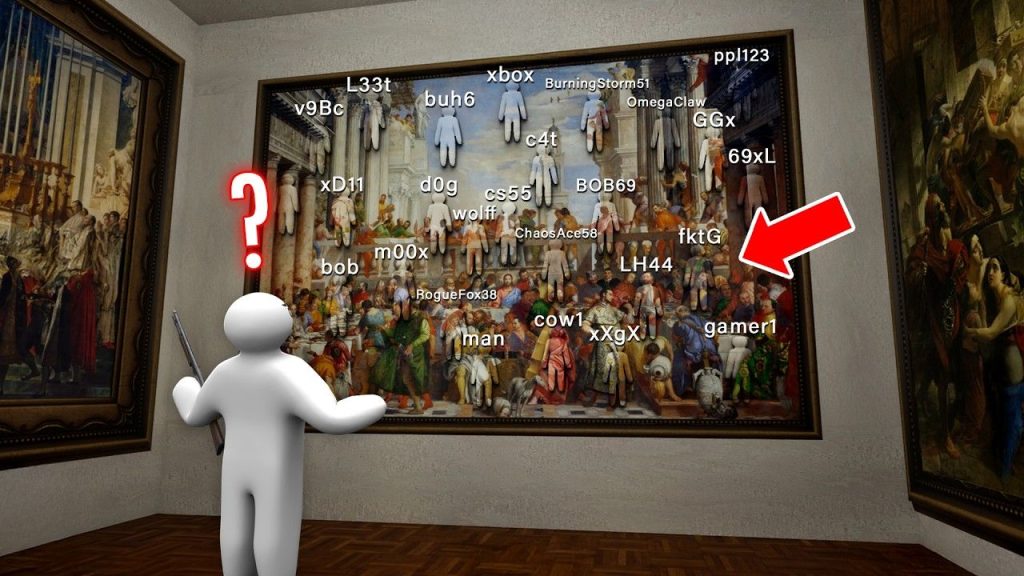
The core gameplay of Meccha Chameleon is surprisingly simple. It belongs to the red-hot “friendship-ruining” (or party-game) genre. The main appeal isn’t the game’s own polish—it’s the chaotic, laugh-out-loud moments it creates among friends in the same room or online.
The game uses a low-poly art style paired with exaggerated physics engines. What might have seemed like a budget compromise in the past has now become the secret sauce for endless hilarious “clip-worthy” moments. Watching your friend’s character fly across the screen due to a single foolish move delivers instant, universal joy that needs no translation. This game isn’t about sitting quietly and becoming a pro—it’s about screaming, laughing, and high-fiving (or fake-fighting) with the people around you.
The “Easy to Learn, Impossible to Master” Trap
One of the biggest reasons for its explosive success is its incredibly low barrier to entry. Anyone can pick up a controller and understand the basic mechanics within seconds. However, the game hides a surprisingly deep skill ceiling.
The maps are filled with dynamic obstacles, random power-ups, and ever-changing rule sets. A beginner can have just as much fun as a veteran, but a veteran will know exactly when to pull off that perfect, game-winning move. This balance keeps casual players engaged while giving hardcore gamers a reason to keep coming back for “just one more round.”
What’s Next? The Road Ahead for the Devs
With over 20 million players, the developers have announced a free content roadmap for the coming months. They plan to introduce new maps inspired by player feedback, seasonal event modes, and even a cross-over collaboration with another indie hit.
For a game made by two people, this level of success is nothing short of a miracle. It proves that in today’s gaming industry, passion, creativity, and a deep understanding of social fun can sometimes beat million-dollar budgets.
Why Does It Work? The Psychology Behind the Addiction
The success of Meccha Chameleon is deeply rooted in modern social psychology. In an age where people are increasingly isolated by digital communication, this game forces players to interact physically and emotionally. It creates shared memories—whether that’s the time you accidentally knocked your best friend off the map, or the time you clutched a 1-vs-3 victory against all odds.
Moreover, the game’s short round times (usually under 3 minutes) make it perfect for today’s short-attention-span culture. It’s the ideal "one-more-game" loop that has fueled the success of battle royales and party games alike.