
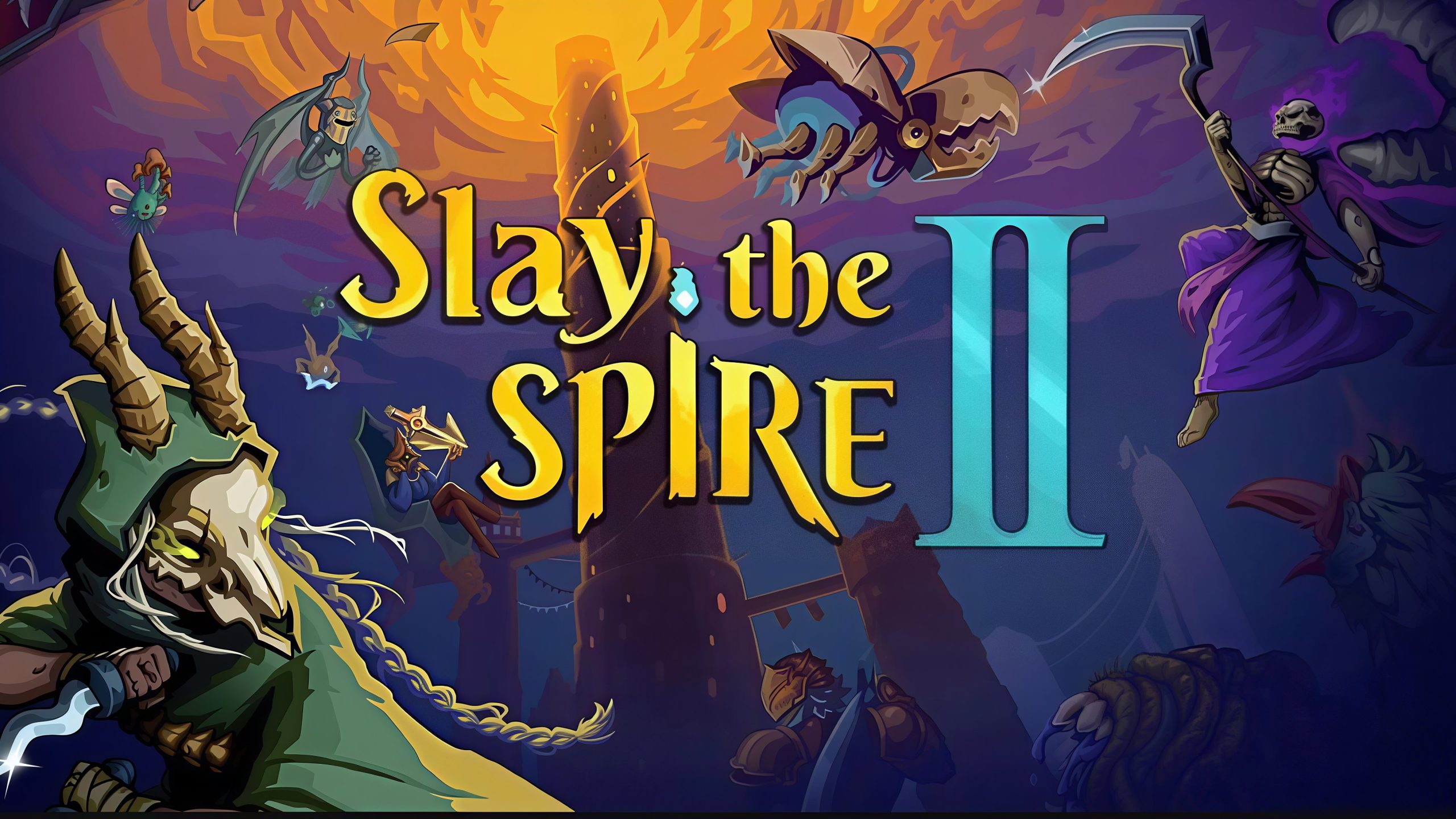

In March 2026, the biggest game on Steam wasn’t a $70 AAA blockbuster. It was a $25 roguelike deckbuilder from an independent studio. Slay the Spire 2, developed by Mega Crit, sold over 5.3 million copies in its first month of Early Access and generated more than $108 million in revenue on Steam alone. For context, that put it more than 3.4 million copies ahead of the second-best-selling game of the month, Pearl Abyss’s Crimson Desert.
The Numbers Behind the Steam Takeover
Slay the Spire 2 launched into Early Access on March 5, 2026, priced at $25. Within three days, it had reached a peak of 574,638 concurrent players on Steam—the biggest launch of the year so far, surpassing Resident Evil Requiem (344,214 peak) and Bungie’s Marathon (88,337 peak).
The game’s momentum didn’t stop there. By the end of March, it had climbed to fourth place on Steam’s overall most-played charts, sitting just behind free-to-play giants Counter-Strike 2, Dota 2, and PUBG. Its approval rating sits at 97%—a remarkable figure for a sequel carrying the weight of a beloved predecessor.
The Gap That Shocked the Industry
What makes Slay the Spire 2’s March performance particularly striking is the margin of victory. Crimson Desert, a massive open-world action game from Pearl Abyss, sold nearly 2 million copies on Steam alone. That would normally be a stellar month. Yet Slay the Spire 2 outsold it by an estimated 3.4 million copies. The indie deckbuilder didn’t just win—it lapped the field.

Why a Card Game Beat Consoles’ Biggest Releases
Depth Over Spectacle
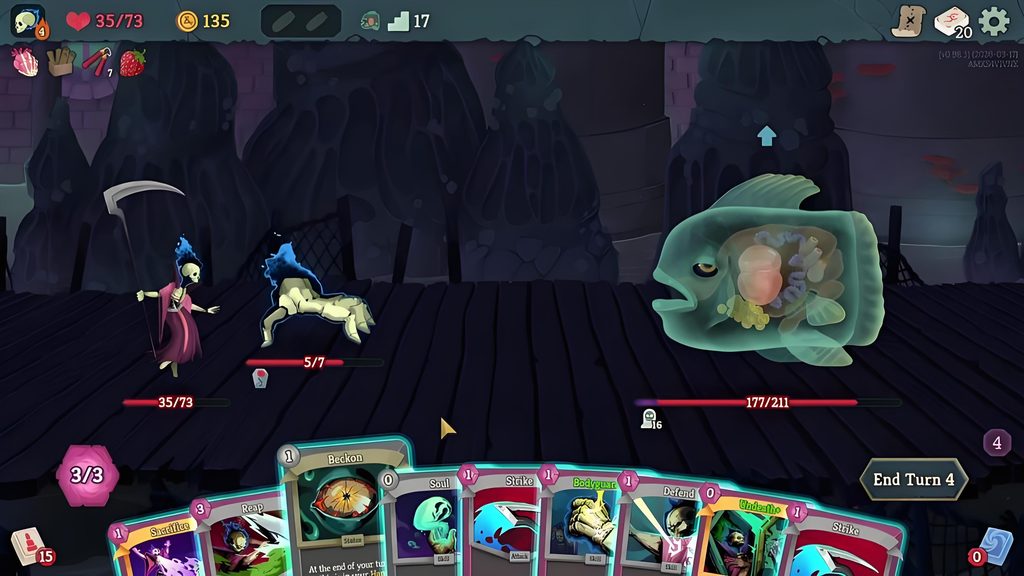
Slay the Spire 2’s success isn’t about graphical fidelity or cinematic set pieces. It’s about mechanical depth. The game builds on the original’s formula—draft a deck, climb a spire, fight increasingly difficult enemies—while adding new characters, fresh card mechanics, and a four-player co-op mode that has been heavily praised by the community.
The co-op addition is particularly significant. It transforms a traditionally solitary experience into a social one, giving streamers and friend groups a reason to keep returning. In a market where “friendslop” multiplayer games have dominated viral growth, Slay the Spire 2 found a way to bring that energy into a genre that didn’t previously have it.
The Early Access Advantage
Mega Crit’s decision to launch in Early Access gave the studio a runway to iterate based on player feedback. Co-founder Casey Yano has teased multiple new modes, including a dedicated competitive mode and a classic single-player experience for purists. That roadmap keeps the community invested and generates a steady stream of content updates—exactly what a live game needs to sustain momentum.
The China Factor
One detail from the sales data deserves attention: a significant portion of Slay the Spire 2’s player base is based in China. The original Slay the Spire had a devoted Chinese following, and the sequel’s localization and pricing ($25, significantly cheaper than AAA releases) made it accessible to a massive audience that Western blockbusters often overlook.
What’s Next for Mega Crit and the Deckbuilder Renaissance
Slay the Spire 2 is currently sustaining around 300,000 active players, showing that its Early Access launch wasn’t just a spike—it has staying power. The game is comfortably positioned to remain one of 2026’s biggest releases, even as more AAA titles arrive in the coming months.
For Mega Crit, the success validates a simple thesis: a great game doesn’t need a $200 million budget. It needs a clear vision, a dedicated community, and the discipline to refine a formula until it’s genuinely excellent. In a year where indie hits like Meccha Chameleon and Windrose have repeatedly outperformed their bigger competitors, Slay the Spire 2 is the clearest proof yet that the balance of power on Steam has shifted.