


When people talk about AI assistants, ChatGPT is usually the first name that comes to mind. But in one of the world's fastest-growing digital markets, a different story is unfolding. Dola—the international version of ByteDance's Doubao—has quietly become a powerhouse, surpassing ChatGPT to become the most downloaded AI app in Southeast Asia during Q1 2026. With over 72 million downloads in the first quarter alone and cumulative downloads exceeding 200 million, Dola is proving that the AI assistant race is far from over.
The Numbers That Demand Attention
Dola's growth trajectory is nothing short of remarkable. According to Sensor Tower data, the app recorded more than 72 million downloads in Q1 2026, marking a 47% quarter-over-quarter increase. By mid-April, its cumulative downloads had officially surpassed the 200 million mark.
In the global AI app rankings, Dola has also climbed consistently. By Q2 2026, it ranked as the 10th most downloaded app worldwide across iOS and Android, climbing four spots from the previous quarter -7. Its daily active users reached nearly 12 million by March 2026, solidifying its position as one of the world's most-used AI applications.
The Southeast Asian Win
Perhaps most impressive is Dola's regional performance. In Southeast Asia, Dola outperformed ChatGPT in downloads during Q1 2026, according to Sensor Tower data. In Latin America, it ranked second only to ChatGPT. This geographic success highlights a key strategic advantage: ByteDance's deep understanding of emerging markets.
Why Dola Is Winning in Key Markets
Dola's success isn't accidental. It reflects a deliberate strategy tailored to the unique demands of mobile-first, high-growth markets.
ByteDance's Ecosystem Advantage
Dola is part of ByteDance's broader AI ecosystem, which includes TikTok's parent company's massive infrastructure. With TikTok surpassing 2 billion monthly active users in Q1 2026, ByteDance has an unparalleled distribution network. Dola benefits from cross-promotion, brand recognition, and integration with other ByteDance products, making it a natural choice for users already embedded in the ecosystem.
Mobile-First Design and Localization
Unlike some Western AI tools that originated on desktop, Dola was built mobile-first for markets where smartphones are the primary computing device. Combined with strong localization—including language support and culturally relevant features—the app resonates deeply with users in Southeast Asia and Latin America.
Free Access with Competitive Features
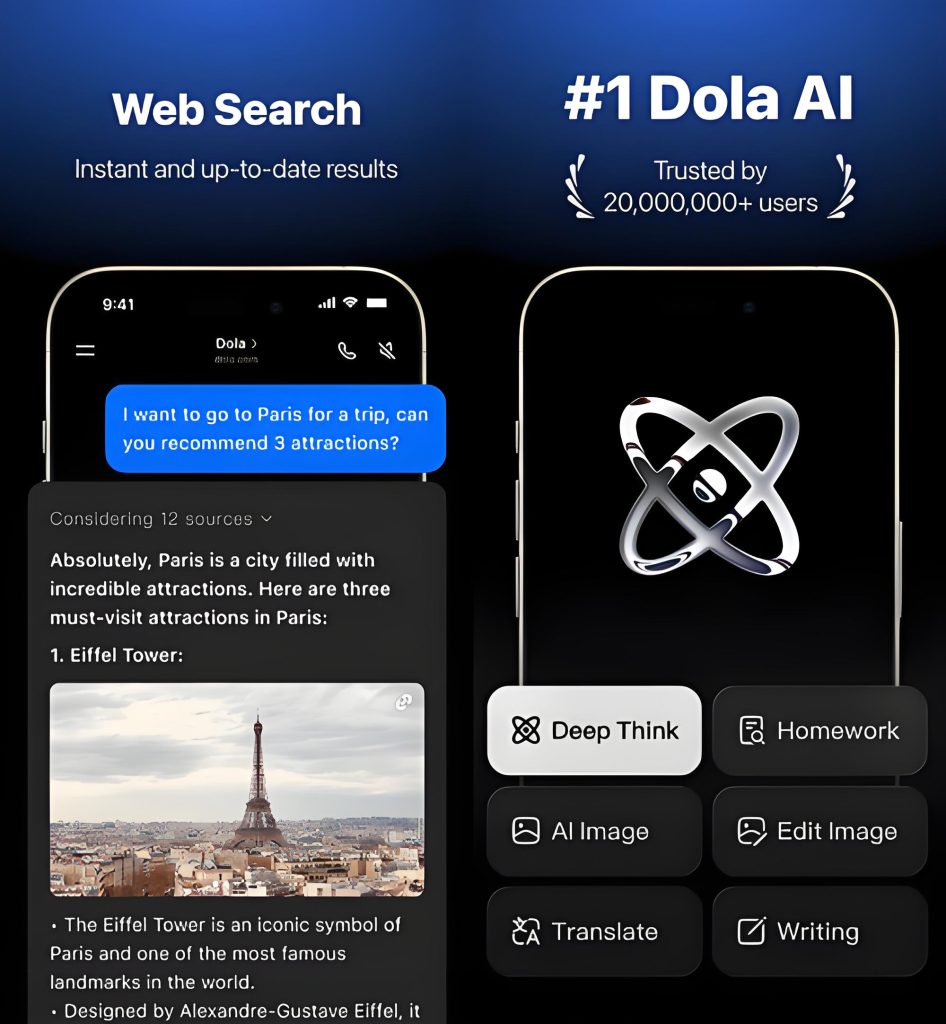
In price-sensitive emerging markets, Dola's free tier combined with robust AI capabilities makes it highly accessible. Its features include voice and text interactions, image generation, and integration with other services—all packaged in a lightweight, fast-loading app experience that works well on a wide range of devices.
The Global AI App Race: A Quick Overview
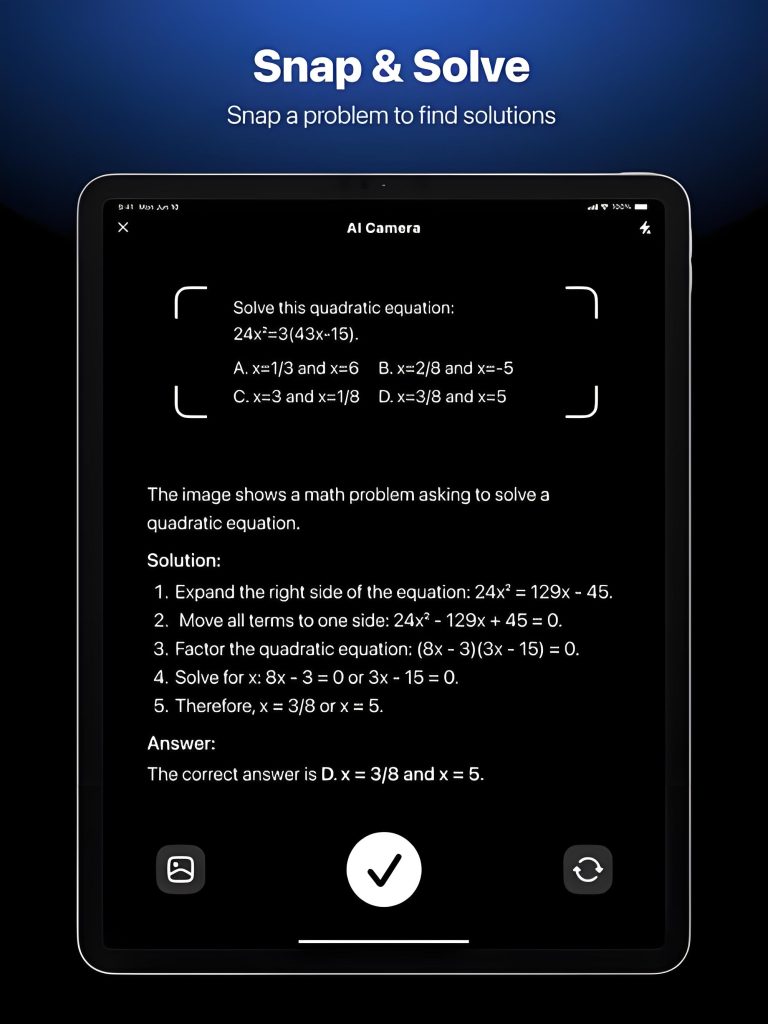
Dola's rise is part of a larger trend in the generative AI app market. In Q1 2026, native generative AI apps saw downloads exceed 1.1 billion, with in-app purchase revenue up 14% quarter-over-quarter to $1.9 billion. AI assistants accounted for 78% of downloads and 85% of in-app revenue.
While ChatGPT remains the global leader—by Q2 2026, it had surpassed 1 billion monthly active users and maintained its position as the most downloaded app worldwide—Dola's rapid growth demonstrates that there's ample room for multiple winners, especially in markets with distinct consumer needs.
What's Next for Dola and the AI Assistant Market
As Google leverages Android integration to capture ChatGPT's mobile users and Anthropic focuses on professional markets, Dola is carving out its own path in consumer-oriented emerging markets. With ByteDance's backing, continuous feature updates, and a growing user base, Dola is positioned to become the default AI assistant for hundreds of millions of users across Southeast Asia, Latin America, and beyond.
The AI assistant war is no longer a one-horse race. And Dola is proving that in the right markets, with the right strategy, challengers can not only compete—they can win.